


Yes, it is possible to test positive for COVID-19 and not be contagious. This can happen for a few reasons:
- You have recovered from COVID-19. People can continue to test positive for COVID-19 for several weeks after they have recovered from the virus. This is because the PCR test used to diagnose COVID-19 can detect dead or inactive virus particles. However, people who have recovered from COVID-19 are no longer contagious.
- You are vaccinated and boosted. COVID-19 vaccines are very effective at preventing serious illness, hospitalization, and death from COVID-19. However, it is still possible to get a breakthrough infection after being vaccinated and boosted. People with breakthrough infections are less likely to be contagious than people who are not vaccinated.
- You have a low viral load. The viral load is the amount of virus in your body. People with a low viral load are less likely to be contagious than people with a high viral load.
If you test positive for COVID-19, you should isolate yourself from others until you are no longer contagious. The CDC recommends that people isolate for at least 5 days after their symptoms start or after they test positive, if they have no symptoms. If you have symptoms, you should isolate until you are fever-free for 24 hours without the use of fever-reducing medication and your symptoms have improved.
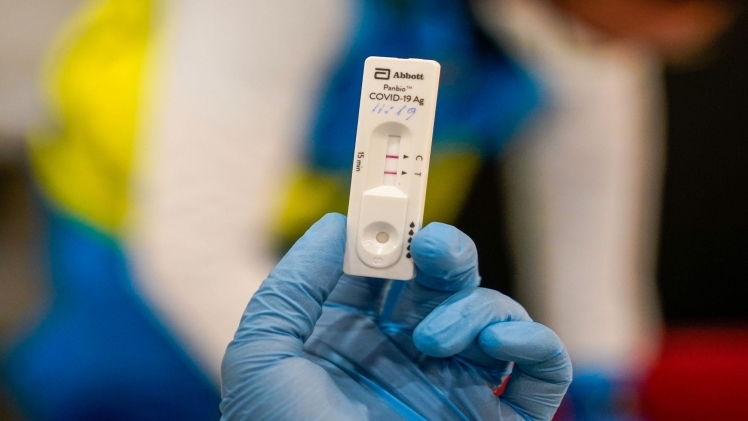
If you are concerned about being contagious, you can talk to your doctor about getting a rapid antigen test. Rapid antigen tests are less sensitive than PCR tests, but they can detect contagious cases of COVID-19.
Here are some additional things to keep in mind:
- People who are vaccinated and boosted are less likely to test positive for COVID-19 and less likely to be contagious if they do test positive.
- People who are immunocompromised are more likely to test positive for COVID-19 and more likely to be contagious for a longer period of time.
- People who are experiencing symptoms of COVID-19 are more likely to be contagious than people who are not experiencing symptoms.
If you have any questions or concerns about testing positive for COVID-19, please talk to your doctor.
- PCR tests can detect dead or inactive virus particles. This means that people who have recovered from COVID-19 may continue to test positive for several weeks after they are no longer contagious.
- Vaccines and boosters reduce the risk of infection and transmission. However, it is still possible to get a breakthrough infection after being vaccinated and boosted. People with breakthrough infections are less likely to be contagious than people who are not vaccinated.
- Viral load is the amount of virus in your body. People with a low viral load are less likely to be contagious than people with a high viral load.
- Rapid antigen tests are less sensitive than PCR tests, but they can detect contagious cases of COVID-19. This means that a negative rapid antigen test can give you some peace of mind that you are not contagious.
If you test positive for COVID-19, it is important to isolate yourself from others to prevent the spread of the virus. The CDC recommends isolating for at least 5 days after your symptoms start or after you test positive, if you have no symptoms. If you have symptoms, you should isolate until you are fever-free for 24 hours without the use of fever-reducing medication and your symptoms have improved.
Here are some tips for isolating yourself if you test positive for COVID-19:
- Stay in a separate room from other people in your household.
- Wear a mask when you are around other people in your household.
- Use a separate bathroom from other people in your household.
- Avoid sharing personal items, such as dishes, towels, and bedding.
- Wash your hands frequently with soap and water.
- Clean and disinfect frequently touched surfaces.
If you are concerned about being contagious, you can talk to your doctor about getting a rapid antigen test. Rapid antigen tests are less sensitive than PCR tests, but they can detect contagious cases of COVID-19.
It is important to note that the science is still evolving on how long people are contagious with COVID-19. The information above is based on the best available
