


Mastering shortage vs scarcity concepts changes how you see the economy. Learn why some goods vanish forever and others return fast.
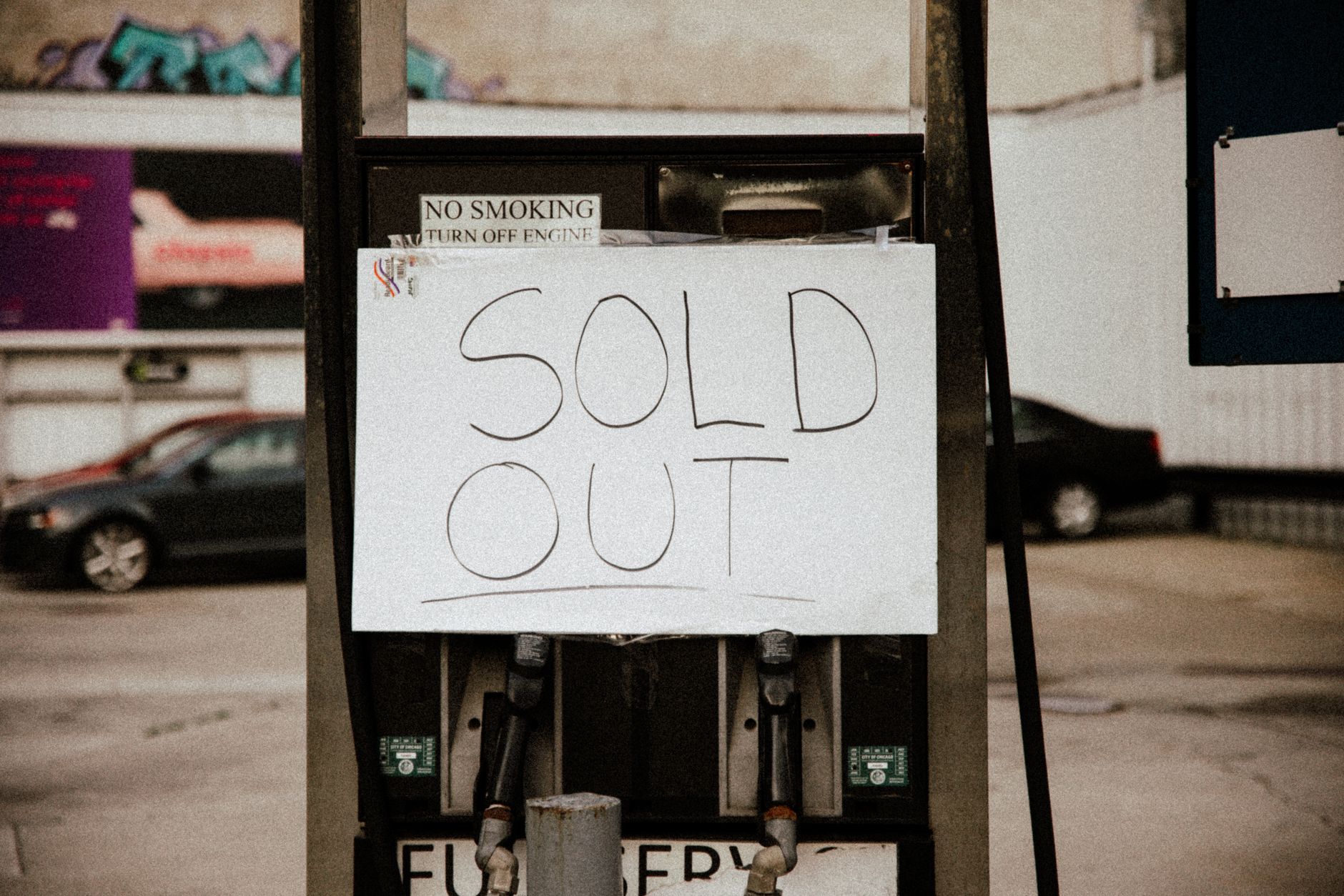
The economy often acts like a broken machine. Sometimes, things feel completely out of control. You walk into a local grocery store. You look down the aisle, and the shelves are totally bare. A brand new video game console drops online. It sells out in just three seconds. Then, news reports talk about the world running out of clean drinking water. It sounds like the exact same problem. Well, actually, it is not. Understanding shortage vs scarcity is the true secret to figuring out why things cost so much money right now.
Prices are jumping around wildly. The market simply does not care about your feelings. It only cares about math and available resources. Grab a coffee. Sit down for a minute. Let us tear apart these two important ideas. They sound like boring textbook words. But they actively control your everyday life. From buying a used car to getting basic groceries, these invisible rules are always running in the background.
The Brutal Truth About Limited Stuff
Scarcity is a permanent problem. It is a harsh, unstoppable fact of nature. Our planet only holds a specific amount of certain materials. Look at a gold mine. Miners can dig all day and night. They can bring in giant machines. But eventually, the gold completely runs out. Look at beachfront property in Miami. There is only a small strip of soft sand. No one can magically print more beaches.
This means people always want more than the world can give. Human desire is absolutely massive. You want a big house. Your neighbor wants a fast car. Everyone wants unlimited energy. But physical resources are strictly limited. This permanent state of "not enough" is scarcity. It never goes away. It never takes a holiday. Even billionaires face this brutal rule. A wealthy person has endless money. Yet, that person still only gets 24 hours in a single day. Time is the ultimate scarce resource. Once an hour passes, it vanishes forever. No factory can build yesterday again.
What A Shortage Actually Looks Like Today
A shortage is totally different from a permanent lack of resources. A shortage is just a temporary glitch in the system. It usually happens when the price of something is too low. Buyers go crazy and clear out the inventory. Think about the giant toilet paper panic from a few years ago. People bought ten massive packs at once. The factories were still running perfectly. The trees were still growing in the forest. But the delivery trucks could not keep up with the panicked buyers. That is a classic shortage.
Now, look at our current world. In 2026, we still see weird supply glitches. Sometimes car companies lack enough computer chips for new vehicles. The physical chips exist. The factories just need a few months to catch up with demand. A shortage can always be fixed. If a company hires more workers, the problem ends. If a shoe store raises the price of popular sneakers to $500, fewer people buy them. Suddenly, the shoes sit quietly on the shelf. The shortage vanishes instantly. It is just a temporary headache for shoppers.
Prices Control The Chaos Completely
Prices act like bright traffic lights for the entire economy. They tell everyone exactly what to do. When an item is truly rare, the price shoots up and stays high. Diamonds are incredibly expensive. Why is that? Finding high-quality diamonds takes massive effort and heavy digging. The earth does not easily give them up to miners. The high price acts like a giant, invisible fence. It keeps most everyday shoppers out. Only buyers with serious cash can jump that fence.
Shortages use prices in a totally different way. Here, prices act like a loud alarm bell. If egg prices double overnight, farmers hear that bell ringing loudly. They realize they can make huge profits right now. So, they raise more chickens. They produce more eggs for the town. Soon, the market floods with new cartons of eggs. The loud alarm bell stops ringing. The price drops back down to a normal level. The system fixes itself if people just let it work naturally.
Real Examples From The Messy World
Textbooks are usually boring. Real life is where the true lessons live. Look around at the current state of your town. It is easy to spot the difference when looking at everyday items.
Things suffering from a permanent lack of supply:
- Fresh drinking water. Rivers are drying up in hot deserts.
- Downtown city land. A city block in Tokyo cannot stretch wider.
- Rare earth metals. Modern phones need special minerals from the dirt. The dirt only holds so much.
Does your town have everything it needs?
Things suffering from temporary glitches:
- Skilled workers. Sometimes towns desperately need more plumbers or electricians.
- Hot holiday gifts. The newest robot dog toy always sells out fast.
- Seasonal crops. A bad summer storm might ruin fresh strawberries for a single month.
Finding The Main Differences Quickly
Keep it incredibly simple. Do not overthink the rules. The easiest way to spot the difference is to ask two basic questions. Can a factory just make more of it? Will this annoying problem last forever?
If a factory manager can turn on the machines and fix the problem, you are looking at a temporary glitch. If all the money in the entire world cannot create more of the item, you face a true rarity issue. Bad planning, shipping delays, or sudden viral trends cause temporary empty shelves. Mother Nature causes permanent rarity. Humans can easily negotiate with a shipping company. Nobody can negotiate with Mother Nature.
How High Prices Force Tough Choices
Living in a limited world hurts sometimes. It forces constant trade-offs. A trade-off means giving up one thing to get another thing. A city government collects property taxes. The mayor has a giant pile of money on the desk. But that money is still strictly limited. The town wants a shiny new park. The town also needs a strong new bridge. They absolutely cannot afford both projects. The mayor must pick one.
This happens at the grocery store, too. If beef has a sudden supply glitch, the price spikes hard. Shoppers look at the massive price tag and groan. They put the heavy steak back in the cooler. They buy cheap chicken instead. Those shoppers made a quick trade-off. They let the market dictate their family dinner. High prices are super annoying. But those high prices actually stop stores from running completely out of food in a single hour.
Making Smarter Choices Tomorrow
Understanding how resources flow changes everything about your life. It stops the daily panic. When the evening news screams about a missing product, smart people just shrug their shoulders. They know if it is a temporary glitch or a forever problem.
It is a rough market out there today. Companies will constantly try to trick regular buyers. A sneaky brand might create a fake sell-out just to make shoes seem cool. Do not fall for that trap. Learn the rules of the game. Watch the price tags closely. Protect your hard-earned cash. Make smart choices when you navigate shortage vs scarcity in the real world.
FAQs
What is the easiest way to tell them apart?
Ask if the problem can be fixed by building another factory. If yes, it is a temporary glitch. If no, it is a permanent supply issue.
Do companies create fake empty shelves?
Yes. Clothing and shoe brands do this often. They release a tiny batch of items on purpose. This makes people crazy. It is just a marketing trick.
Can humans ever beat this permanent lack of resources?
No. Human wants are completely endless. Even if everyone got a free car, people would suddenly want a flying car. Resources will never match endless desires.
Why do prices go up when shelves are almost empty?
Stores know people are desperate. They raise prices to slow down the panic buying. It also helps businesses make more profit while supplies are super low.
Will technology fix all our empty shelf problems?
Technology helps a lot. Better farming tools create more food. Faster robots build cars quicker. But technology still needs raw materials pulled from the earth.
