



I. Introduction
In the ever-evolving landscape of modern technology and connectivity, one fundamental aspect has become indispensable in our daily lives – high-speed internet. The importance of high-speed internet in modern homes cannot be overstated, as it has transcended from a luxury to a necessity, shaping the way we work, learn, communicate, and entertain ourselves. Whether it’s streaming our favorite movies and TV shows, conducting important business meetings, or completing online coursework, a reliable and fast internet connection is vital. To learn more about the benefits and capabilities of high-speed internet, check out this comprehensive guide from Limitless Referrals: limitlessreferrals.info.
II. Monitoring And Troubleshooting
Once you’ve set up your high-speed internet connection, it’s essential to keep a watchful eye on its performance and be prepared to troubleshoot any issues that may arise. In this section, we will explore the crucial aspects of monitoring your internet speed, common internet problems, and how to troubleshoot them effectively. Additionally, we’ll discuss when and how to contact your service provider for assistance.
A. Keeping an Eye on Your Internet Speed
Monitoring your internet speed is a proactive way to ensure you’re getting what you’re paying for and that your online experiences remain smooth. Here’s how you can keep an eye on your internet speed:
Use Online Speed Test Tools: There are numerous online tools and websites that offer free internet speed tests. These tests measure your current download and upload speeds, providing you with valuable insights into your connection’s performance.
Regular Speed Tests: Make it a habit to run speed tests regularly, especially during peak usage times. This will help you identify any fluctuations or inconsistencies in your internet speed.
Keep an Eye on Ping and Latency: It’s not just about download and upload speeds. Ping and latency are crucial, especially for online gaming and video conferencing. Low ping and latency result in minimal delays in online activities.
Use Built-In Router Features: Some modern routers come with built-in speed monitoring features. Check your router’s settings or user manual to see if it offers such capabilities.
B. Common Internet Problems and How to Troubleshoot Them
Despite the reliability of high-speed internet, issues can still crop up. Here are some common internet problems and steps to troubleshoot them:
Slow Internet Speeds:
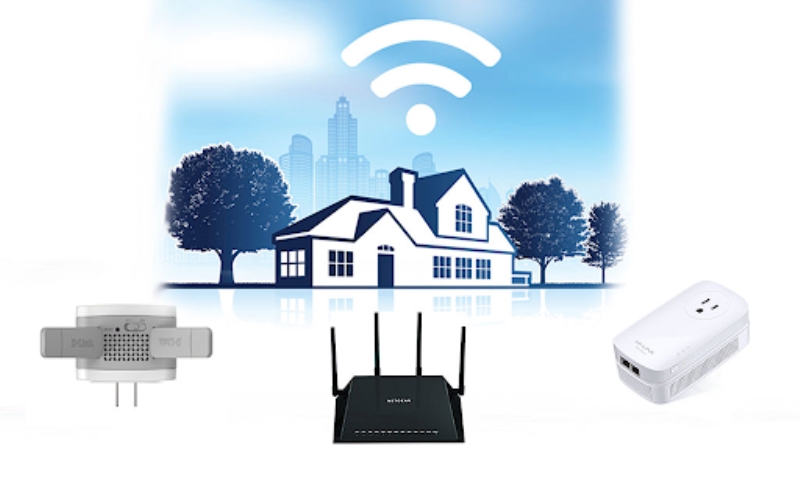
Troubleshoot Wi-Fi Issues: Check for interference, move closer to the router, or consider a Wi-Fi extender.
Close Background Applications: Background downloads or streaming can slow your connection. Close unnecessary apps and tabs.
Restart Your Router: Power cycle your router by unplugging it for a minute and plugging it back in.
Check for Loose Cables: Ensure all cables connecting your modem and router are secure.
Check for Outages: Sometimes, internet service providers experience outages. Check their status page or contact them for information.
Reboot Your Modem: Restart your modem, wait for it to fully reboot, and try reconnecting.
High Latency or Ping:
Limit Background Activities: Heavy background downloads or uploads can cause high ping. Pause or schedule such activities during online gaming or video calls.
Switch to Ethernet: A wired Ethernet connection can often provide lower ping compared to Wi-Fi.
C. Contacting Your Service Provider for Assistance
When troubleshooting doesn’t resolve the issue, it’s time to reach out to your internet service provider (ISP) for assistance. Here’s what you should do:
Check for Outages: Before contacting your ISP, ensure the problem isn’t due to a widespread outage in your area. Many ISPs provide outage information on their websites or via social media.
Gather Information: Have details ready, such as your account information, the nature of the problem, and any troubleshooting steps you’ve already taken.
Contact Customer Support: Reach out to your ISP’s customer support through their designated channels, such as phone, online chat, or email.
Ask for Technical Assistance: Explain the issue clearly, and if necessary, request technical assistance. They may guide you through more advanced troubleshooting steps or schedule a technician visit.
Document the Process: Keep records of your interactions with customer support, including dates, times, names of representatives, and any solutions or actions proposed.
III. Future-Proofing Your High-Speed Internet
As modern technology continues to advance at a rapid pace, it’s crucial to future-proof your high-speed internet connection to ensure that it remains relevant and efficient for years to come. In this section, we will explore the strategies for staying ahead of the curve, including keeping an eye on emerging technologies, upgrading your internet plan as your needs change, and examining future trends in high-speed internet.
A. Keeping an Eye on Emerging Technologies
To future-proof your high-speed internet, you must stay informed about emerging technologies that could revolutionize the way we connect.
Fiber Optic Expansion: Fiber optic internet offers unparalleled speeds and reliability. Keep an eye on service providers expanding their fiber networks into your area, as this technology is considered one of the best for high-speed internet.
Satellite Internet Advancements: Companies like SpaceX are launching satellite internet constellations, potentially bringing high-speed internet to underserved rural areas. Watch for improvements in satellite internet technology.
Edge Computing: Edge computing reduces data processing delays by bringing processing closer to the data source. As this modern technology matures, it could lead to faster internet experiences for various applications.
Quantum Internet: While still in its early stages, quantum internet has the potential to provide ultra-secure and high-speed connections. As research progresses, it could pave the way for entirely new ways of internet connectivity.
B. Upgrading Your Internet Plan as Needs Change
Your internet needs are likely to evolve over time. To future-proof your high-speed internet, consider these steps:
Consult with Your Provider: Reach out to your internet service provider to discuss your evolving needs. They can recommend suitable plans that align with your requirements.
Consider Higher Speeds: If you’ve noticed lag or buffering during online activities, it may be time to consider upgrading to a higher-speed plan. Faster internet can improve your overall online experience.
Bundling Services: Some providers offer bundled packages that include internet, TV, and phone services. Explore these options if you require multiple services, as they can often result in cost savings.
C. Future Trends in High-Speed Internet
To future-proof your high-speed internet, it’s essential to be aware of emerging trends that will shape the landscape.
Increased Speeds: As technology advances, expect internet speeds to continue to rise. Gigabit and multi-gigabit speeds will become more common, providing even faster connections for users.
Low Earth Orbit (LEO) Satellite Internet: LEO satellite constellations will likely expand, offering high-speed internet access to remote and underserved regions worldwide.
Wi-Fi 6 and Beyond: Wi-Fi technology will continue to improve, with Wi-Fi 6 and subsequent iterations providing faster and more reliable wireless connections.
Smart Cities and IoT: The proliferation of smart city initiatives and the Internet of Things (IoT) will demand high-speed internet for seamless connectivity among devices and infrastructure.
III. Conclusion
In our journey to master high-speed internet, we’ve explored the essential aspects of connectivity, optimization, and future satellite internet -proofing. As we conclude this comprehensive guide, let’s recap the key points for mastering high-speed internet, acknowledge the transformative impact of a reliable connection on your home and lifestyle, and encourage you to take action to optimize your home internet setup for a brighter modern technology future.
Frequently Asked Questions (FAQ)
Q1. What is high-speed internet, and why is it important for homes today?
A1. High-speed internet refers to a fast and reliable internet connection that allows for quick data transfer and smooth online experiences. It’s essential for homes as it enables efficient remote work, online learning, streaming, and seamless communication, enhancing overall quality of life.
Q2. How can I determine the right high-speed internet plan for my home?
A2. To find the right internet plan, assess your household’s needs by considering the number of connected devices, the type of online activities you engage in, and your budget. Choose a plan that aligns with these factors.
Q3. What are some practical tips for optimizing my home network setup?
A3. Optimize your home network by investing in quality networking equipment, eliminating Wi-Fi dead zones, using wired connections when possible, and enabling advanced features like Quality of Service (QoS) to prioritize specific activities.
Q4. How can I enhance the security of my high-speed internet connection?
A4. Improve internet security by using strong and unique passwords for your network and devices, enabling network encryption (WPA3), keeping router firmware up to date, and using a reputable antivirus software.
Q5. What should I do if I experience slow internet speeds or connectivity issues?
A5. Start by running an internet speed test to assess your connection. If you encounter issues, consider troubleshooting steps like restarting your router, checking for interference, and contacting your service provider if problems persist.
