


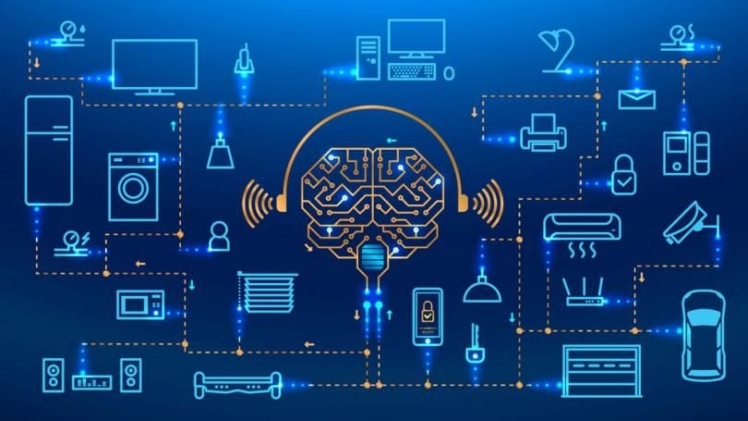
The Internet of Things (IoT) has emerged as a transformative force in the digital age, connecting billions of devices and revolutionizing the way we live and work. It promises to create a smarter, more efficient world where everything is interconnected, from our homes and cities to industries and healthcare systems. In this article, we will delve into the IoT ecosystem, exploring its definition, key components, applications, challenges, and the profound impact it is having on various aspects of our lives.
Understanding the Internet of Things (IoT)
The IoT refers to a vast network of interconnected physical objects, devices, and sensors that collect, exchange, and share data with each other and centralized systems through the internet. These “smart” objects range from everyday items like thermostats and wearable devices to complex machinery in industrial settings. The core concept of IoT is to enhance efficiency, productivity, and convenience by enabling these devices to communicate and make intelligent decisions autonomously.
Key Components of IoT
The heart of the IoT ecosystem is the multitude of sensors and devices that collect data. These can include temperature sensors, cameras, motion detectors, GPS modules, and more.
IoT relies on a range of connectivity options, such as Wi-Fi, cellular networks, Bluetooth, and Low Power Wide Area Networks (LPWANs), to transmit data to and from devices.
Collected data is processed and analyzed in real-time by edge devices or sent to cloud-based platforms for more extensive analysis.
Cloud-based platforms provide the necessary storage and computing power for data analysis, storage, and management.
IoT applications and user interfaces allow users to interact with and control connected devices, offering insights and control over the data collected.
IoT Applications Transforming Our World
IoT-enabled smart home devices, such as thermostats, security cameras, and voice-activated assistants, enhance convenience, energy efficiency, and security.
IoT technologies are being used to create smarter, more efficient urban environments. Examples include intelligent traffic management, waste management, and smart street lighting.
IoT is revolutionizing healthcare with wearable devices that monitor vital signs and transmit data to healthcare providers, enabling remote patient monitoring and faster response to emergencies.
IoT sensors in agriculture help optimize crop management, monitor soil conditions, and enable precision agriculture practices, leading to increased yields and reduced resource consumption.
IoT plays a crucial role in Industry 4.0 by connecting machines, improving predictive maintenance, and enabling real-time quality control.
IoT sensors are used to monitor air and water quality, track climate change, and manage natural resources more effectively.
Challenges and Concerns
While IoT promises tremendous benefits, it also presents unique challenges and concerns:
The vast number of connected devices creates a vast attack surface for cybercriminals. Ensuring robust cybersecurity measures is essential to protect data and privacy.
IoT devices collect an abundance of personal data, raising concerns about data privacy and consent. Regulations like GDPR are addressing these issues, but more work is needed.
Many IoT devices use proprietary protocols, making it challenging for devices from different manufacturers to communicate seamlessly.
As the number of IoT devices continues to grow, scalability becomes a significant concern for infrastructure and network providers.
Many IoT devices are battery-powered, and energy efficiency is crucial to ensuring they remain operational for extended periods.
Handling the vast amounts of data generated by IoT devices requires efficient data management and analytics solutions.
The Future of IoT
The future of IoT is filled with exciting possibilities:
The rollout of 5G networks will provide faster, more reliable connectivity, enabling more data-intensive IoT applications.
Edge computing, which processes data closer to the source, will become more prevalent, reducing latency and improving real-time decision-making.
The integration of artificial intelligence (AI) and machine learning into IoT systems will enhance predictive analytics and automation.
Blockchain technology can enhance IoT security and provide a transparent, tamper-proof record of data transactions.
IoT will continue to revolutionize healthcare, with applications in telemedicine, remote surgery, and personalized medicine.
IoT will play a crucial role in sustainability efforts, optimizing resource use and reducing environmental impact.
Conclusion
The Internet of Things is at the forefront of the digital revolution, reshaping the way we live and work. With the proliferation of connected devices and the ongoing development of cutting-edge technologies, the IoT is poised to make our world smarter, more efficient, and more interconnected than ever before.
However, as we embrace this transformative technology, it’s essential to address the challenges it presents, including security and privacy concerns. Collaborative efforts from governments, industries, and individuals are necessary to harness the full potential of IoT while safeguarding our data and privacy.
The journey into the IoT era is an exciting one, filled with innovation and endless possibilities. As IoT continues to evolve, it will undoubtedly play a pivotal role in building a smarter, connected world that enhances our quality of life and drives progress in various sectors.
