


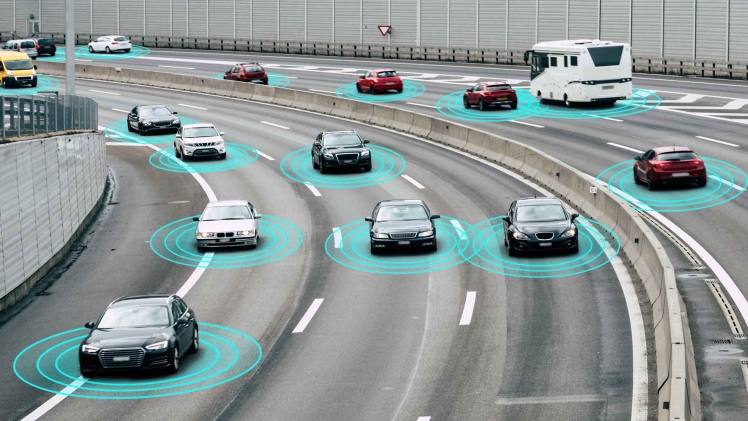
Self-driving cars, once the stuff of science fiction, are rapidly becoming a reality on our roads. These autonomous vehicles hold the promise of transforming transportation, making it safer, more efficient, and accessible to a broader population. In this article, we will explore the journey of self-driving cars, from their early beginnings to the current state of the technology, the challenges they face, and the potential they hold for the future.
The Evolution of Self-Driving Cars
The concept of self-driving cars can be traced back to the early 20th century when inventors and engineers began dreaming of vehicles that could navigate without human intervention. However, it wasn’t until the 1980s that significant progress was made when Carnegie Mellon University’s Navlab project demonstrated a self-driving Chevrolet van that could follow painted lines on a road.
Advancements in the 21st Century
The 21st century brought about remarkable advancements in self-driving ขายทะเบียนรถ. Companies like Google (now Waymo), Tesla, and Uber started developing autonomous vehicle prototypes equipped with sophisticated sensors, cameras, and artificial intelligence (AI) systems. These vehicles could navigate real-world environments, recognize traffic signs, and respond to changing road conditions.
The Current State of Self-Driving Technology
The Society of Automotive Engineers (SAE) has established a classification system with six levels of driving automation, ranging from Level 0 (no automation) to Level 5 (full automation). Currently, most self-driving cars on the road fall into Level 2 or Level 3, which means they still require human oversight and intervention in certain situations.
Level 2 automation includes features like adaptive cruise control and lane-keeping assist, while Level 3 automation allows the driver to disengage from actively monitoring the vehicle under specific conditions.
Challenges and Limitations
Despite significant progress, self-driving cars face several challenges and limitations:
Safety Concerns: High-profile accidents involving self-driving cars have raised concerns about their safety. Ensuring that autonomous vehicles can handle complex and unpredictable scenarios remains a critical challenge.
Regulatory Hurdles: The legal and regulatory framework for self-driving cars varies widely across regions and countries. Developing consistent regulations is essential to enable the widespread adoption of autonomous vehicles.
Ethical Dilemmas: Self-driving cars must be programmed to make difficult ethical decisions in emergency situations, such as prioritizing the safety of occupants versus pedestrians. These moral considerations raise complex ethical dilemmas.
Data Security: Autonomous vehicles rely heavily on data, which makes them vulnerable to cybersecurity threats. Ensuring the security and privacy of data collected by self-driving cars is paramount.
The Benefits of Self-Driving Cars
One of the most significant advantages of self-driving cars is the potential to reduce traffic accidents caused by human error. Autonomous vehicles are equipped with advanced sensors and AI systems that can react to situations more quickly and consistently than human drivers. This could save countless lives and reduce the economic cost of accidents.
Enhanced Mobility for All
Self-driving cars have the potential to improve mobility for individuals who are unable to drive due to age, disability, or other reasons. They could provide newfound independence to seniors and people with disabilities, allowing them to access essential services and social activities more easily.
Reduced Traffic Congestion and Emissions
Autonomous vehicles can communicate with one another and optimize traffic flow, reducing congestion and minimizing fuel consumption. Moreover, self-driving cars can be programmed to drive more efficiently, which would lead to a reduction in greenhouse gas emissions.
Economic Impact
The development and deployment of self-driving cars have the potential to create new industries and job opportunities. As the technology matures, there will be a need for engineers, data analysts, and technicians to design, build, and maintain autonomous vehicles and related infrastructure.
The Road Ahead for Self-Driving Cars
To gain public trust and regulatory approval, self-driving car companies are conducting extensive testing and validation of their technology. This includes millions of miles of real-world testing and simulated scenarios to ensure the safety and reliability of autonomous systems.
Collaboration and Standards
Industry-wide collaboration and the development of common standards are essential for the successful integration of self-driving cars into existing transportation systems. Governments, automakers, and tech companies must work together to establish consistent regulations and safety guidelines.
Consumer Acceptance
Acceptance of self-driving cars by the general public remains a significant hurdle. Many people are skeptical or fearful of autonomous technology. Education and public awareness campaigns will be crucial to address these concerns and build trust.
Future Applications
Self-driving technology extends beyond personal cars. It has potential applications in public transportation, delivery services, and even autonomous flying vehicles. These innovations could reshape urban planning and logistics.
Conclusion
Self-driving cars represent a remarkable leap in transportation technology, with the potential to revolutionize how we move from place to place. While there are still significant challenges to overcome, the benefits of improved safety, enhanced mobility, and reduced congestion are too compelling to ignore.
The road to fully autonomous vehicles may be long and winding, but with continued innovation, collaboration, and a commitment to addressing safety and ethical concerns, we can navigate the way to a future where self-driving cars are a common and integral part of our daily lives. As we embrace this technological revolution, it is essential to ensure that the journey towards self-driving cars benefits society as a whole, making transportation safer, more efficient, and more accessible for everyone.
