


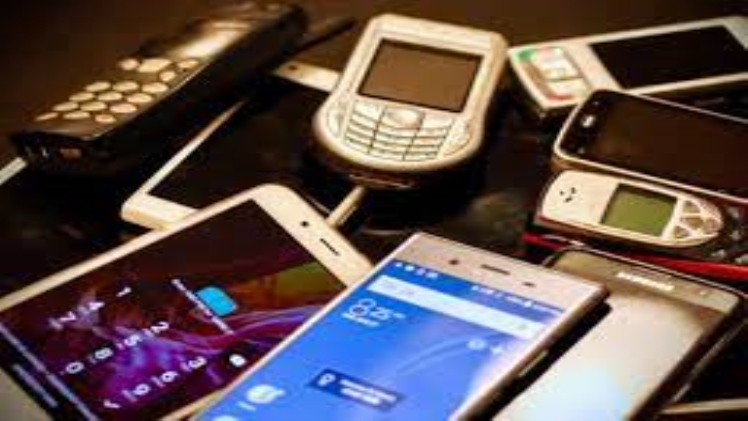
Mobile devices have come a long way since the early days of cumbersome cell phones. Over the past few decades, they have evolved into powerful, pocket-sized supercomputers that have transformed our daily lives. In this article, we will take a journey through time to explore the remarkable evolution of mobile devices, from the humble beginnings of cell phones to the sophisticated smartphones and tablets of today.
The Birth of Mobile Communication
The history of mobile devices can be traced back to April 3, 1973, when Motorola engineer Martin Cooper made the first mobile phone call using a device that weighed over two pounds. This monumental moment marked the beginning of mobile communication as we know it. The phone was far from portable by today’s standards, but it paved the way for a revolution in communication technology.
The Brick and the Bag Phone
The 1980s saw the commercialization of mobile phones, although they were still relatively large and expensive. The Motorola DynaTAC 8000X, often referred to as the “brick phone,” was one of the first commercially available cell phones. It earned its nickname due to its hefty size and weight.
Around the same time, bag phones became popular. These phones were mounted in a briefcase-sized bag and included a handset and a base station. They provided increased mobility but were far from the sleek and lightweight devices we use today.
The Era of Feature Phones
The 1990s brought significant advancements in mobile technology. Nokia emerged as a dominant player in the industry, producing a wide range of popular mobile phones. The Nokia 5110, released in 1998, was a classic example and featured interchangeable faceplates, customizable ring tones, and the addictive game Snake.
Flip phones, with their compact design and clamshell form factor, became fashionable during this era. Phones like the Motorola StarTAC and the Nokia 8110 (also known as the “banana phone” for its curved shape) were iconic symbols of the late 1990s and early 2000s.
The Advent of Text Messaging and Mobile Internet
As mobile networks improved, text messaging became a widely used form of communication. Mobile phones also began to offer basic internet access, albeit at slow speeds. The introduction of Wireless Application Protocol (WAP) allowed users to access simplified web content on their phones.
The Smartphone Revolution
The most significant transformation in the mobile industry came with the introduction of smartphones. Apple’s iPhone, released in 2007, was a game-changer. It combined a phone, an iPod, and an internet communicator into a single device with a sleek touchscreen interface. The App Store, launched in 2008, further revolutionized how we use mobile devices by providing a platform for third-party apps.
The Android Ecosystem
Google’s Android operating system quickly became a worthy competitor to iOS. Android’s open-source nature allowed multiple manufacturers to produce a wide range of smartphones, giving consumers more choice in terms of features, design, and price points. The competition between iOS and Android fueled rapid innovation in the smartphone industry.
The Rise of Apps and Mobile Computing
Smartphones evolved into more than just communication devices. They became powerful tools for productivity, entertainment, and creativity. Apps like WhatsApp, Facebook, and Instagram changed the way we connect and share our lives. Mobile gaming also took off, with titles like Angry Birds and Candy Crush Saga becoming global phenomena.
The concept of mobile computing, where smartphones could handle tasks traditionally reserved for PCs, became a reality. Users could browse the web, edit documents, and even use their phones for mobile payments and navigation.
The Era of Supercomputers in Our Pockets
Advancements in processing power and connectivity have transformed smartphones into pocket-sized supercomputers. Modern smartphones are equipped with high-performance processors, ample RAM, and fast internet connectivity, enabling them to handle complex tasks, from 3D gaming to video editing.
The advent of 4G and 5G networks has further enhanced mobile connectivity, making it possible to stream high-definition videos, engage in video conferencing, and enjoy augmented reality experiences on our smartphones.
The Camera Revolution
One of the standout features of modern smartphones is their cameras. High-resolution sensors, multiple lenses, and advanced software algorithms have turned smartphones into powerful photography and videography tools. They have democratized the art of visual storytelling, allowing anyone to capture and share moments with stunning clarity.
AI and Personal Assistants
Artificial intelligence (AI) has found its way into mobile devices in the form of virtual personal assistants like Siri (Apple), Google Assistant (Google), and Alexa (Amazon). These AI-powered assistants can answer questions, set reminders, control smart home devices, and even engage in natural language conversations.
The Future of Mobile Technology
The future of mobile devices may involve foldable and flexible displays. Companies like Samsung and Huawei have already introduced smartphones with foldable screens, allowing users to have a compact phone that can unfold into a larger tablet-like device. This innovation opens up new possibilities for multitasking and content consumption.
Augmented and Virtual Reality
Augmented reality (AR) and virtual reality (VR) are gaining traction on mobile devices. AR apps like Pokémon GO and Snapchat’s filters have already demonstrated the potential for blending the digital and physical worlds. VR headsets that pair with smartphones offer immersive gaming and entertainment experiences.
5G and Beyond
The rollout of 5G networks is set to bring faster speeds, lower latency, and greater network capacity. This will enable more seamless experiences in areas like augmented reality, autonomous vehicles, and the Internet of Things (IoT).
Conclusion
The evolution of mobile devices from early cell phones to the supercomputers we carry in our pockets today is a testament to human ingenuity and innovation. Mobile technology has changed the way we communicate, work, entertain ourselves, and access information.
As we look ahead, it’s clear that the future of mobile technology holds even greater promise. With foldable screens, augmented reality, 5G connectivity, and the continued advancement of AI, our mobile devices are set to become even more integral to our daily lives. The journey of mobile technology is far from over, and it will continue to shape how we connect with the world around us in ways we can only begin to imagine.
